Roof types

Roof systems that make sense in Florida.

Heat, UV, afternoon storms, hurricane wind, and salt air near the coast. Every material below is judged against that list, because that is what your roof actually lives through.

Sloped roofs

The three systems on most Florida homes.

Shingle, tile, and metal cover the vast majority of sloped residential roofs in the state. Here is where each one earns its place.

Architectural asphalt shingle

A layered, dimensional shingle, heavier and thicker than the old three tab style. It is the workhorse of Florida residential roofing: the lowest installed cost of the sloped systems, quick to install, quick to repair, and available in colors that suit almost any house.

Florida is hard on shingles. Constant UV and heat bake the asphalt, and daily summer storms test every seal. What matters most is the installation: the nailing pattern, the underlayment beneath the shingles, and the sealed edges are what keep a shingle roof on the house when a named storm comes through. Modern architectural shingles installed to current Florida code carry high wind ratings, and the code exists because the wind is real.

It suits most single family homes, townhomes, and budgets. Architectural shingle roofs in Florida typically run 15 to 20 years. When a shingle roof reaches the end, replacement is straightforward: here is how we do it.

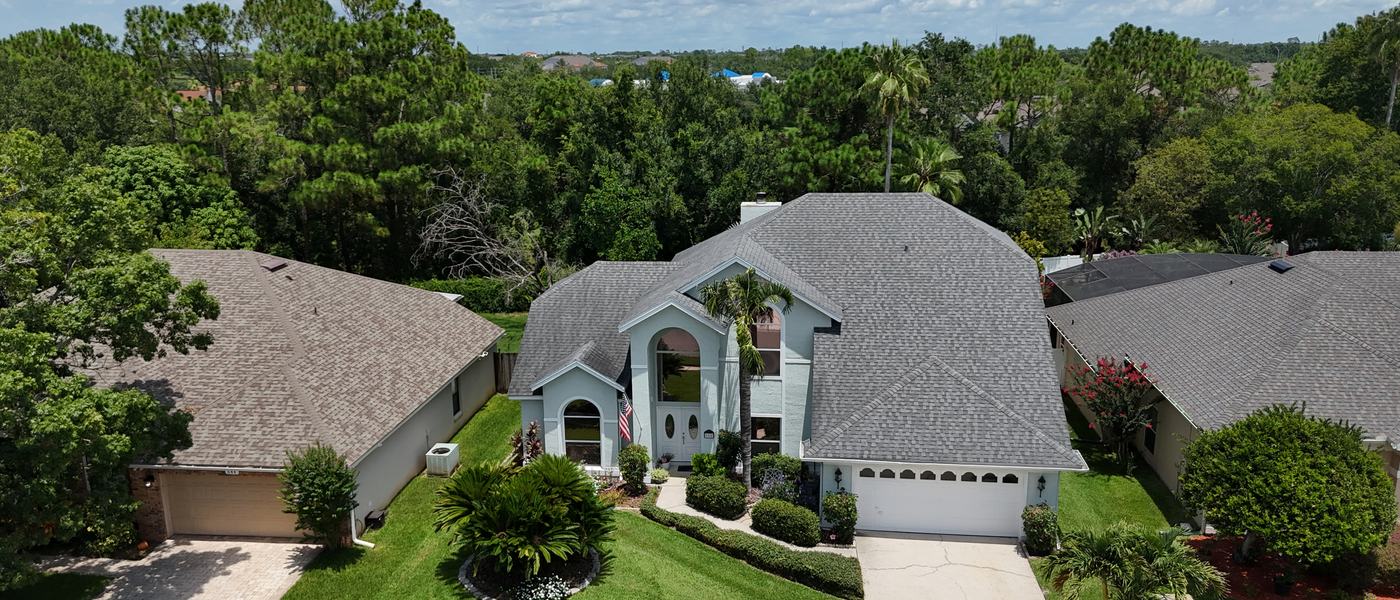
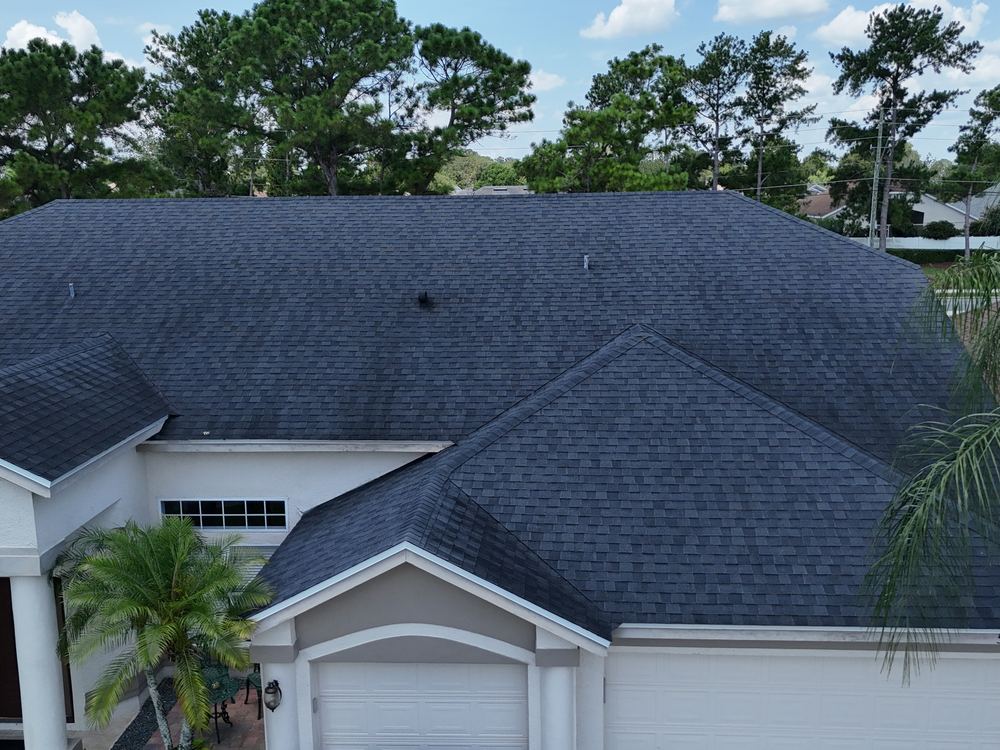
Finished dark architectural shingle roof on a Central Florida home, installed by AlphaCore Roofing
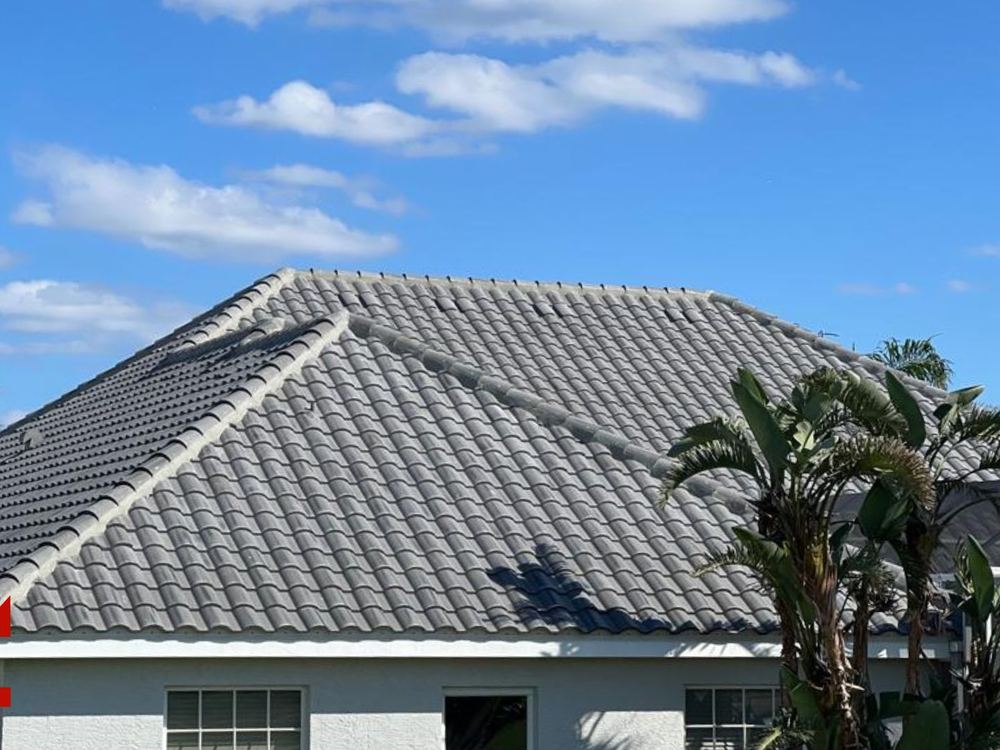
Completed concrete tile roof against a blue Florida sky, installed by AlphaCore Roofing

Concrete tile

Molded concrete tiles, often profiled to look like barrel clay. Concrete tile shrugs off sun and heat, does not burn, and typically outlasts shingle by a wide margin. It is a common choice across Central and South Florida for good reason. Concrete and clay tile can run 40 years or more when the underlayment is maintained.

The honest caveat is weight. A tile roof is several times heavier than shingle, and the structure has to be built or verified to carry it. Putting tile on a house framed for shingle is not a color choice, it is a structural question, and it is one an inspection answers before any money moves. Individual tiles can crack under foot traffic or impact, so repairs belong to people who know how to walk a tile roof.

Clay tile

The traditional barrel tile of Spanish and Mediterranean architecture. Clay holds its color for the life of the roof because the color is the clay itself, and it handles coastal salt air better than most materials. It costs more than concrete and weighs about as much, so the same structural questions apply. On the right house, nothing else looks like it.

Standing seam metal

Long metal panels joined by raised, concealed fastener seams, so there are no exposed screw heads to back out and leak years later. Metal reflects heat instead of absorbing it, which matters in a state where the sun does half the damage, and its wind performance is why you see more of it going up after every hurricane season. Metal typically runs 40 to 70 years. Near the coast, the panel coating and metal choice matter, because salt air is relentless on the wrong metal. Cost sits well above shingle and installation is less forgiving of shortcuts, which is an argument for hiring a contractor whose licence holder owns the company.

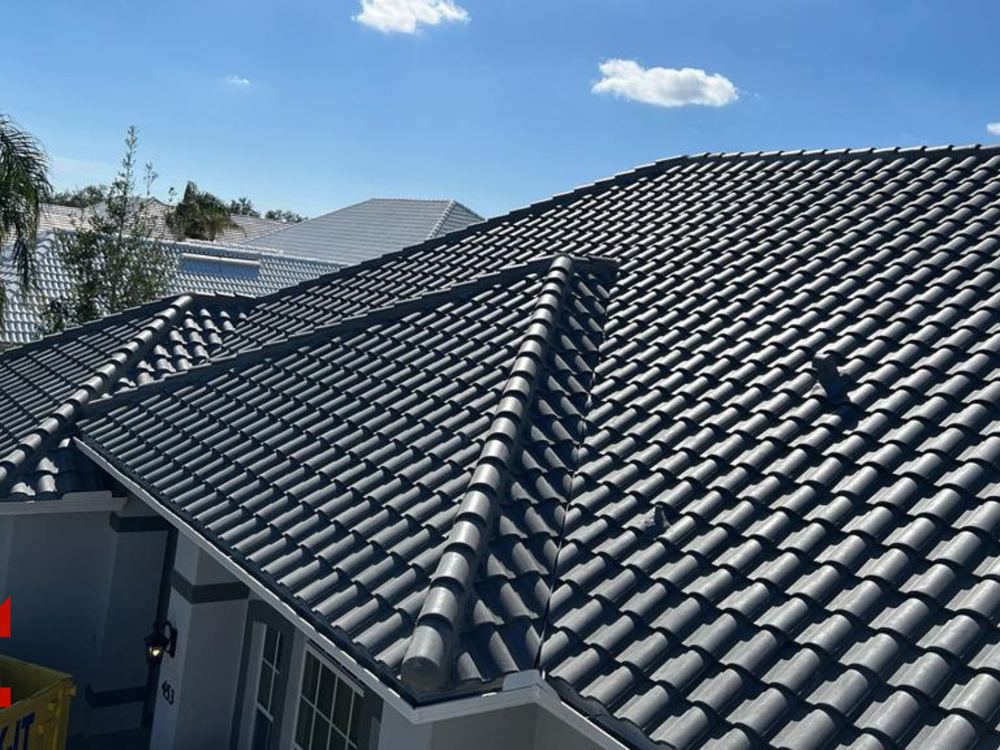
Close detail of a finished barrel tile roof installed by AlphaCore Roofing in Central Florida
Flat & low slope

Commercial systems, and the flat sections on homes.

Flat roofs do not shed water the way sloped roofs do, so the membrane is everything. These are the three we install on commercial buildings and low slope additions. Flat and low slope membranes typically run 15 to 25 years depending on the system.

TPO

A white, heat welded single ply membrane. The bright surface reflects Florida sun, which keeps the building cooler and slows UV aging. The seams are welded, not glued, so a good installer produces a roof that is effectively one sheet. The standard choice for most flat commercial roofs we quote.

EPDM

A black synthetic rubber membrane, flexible and proven over decades of flat roof use. It handles thermal movement well as the roof expands in afternoon heat and contracts at night. The dark surface absorbs heat, so in Florida it is often the fit for garages, additions, and shaded or smaller roofs.

Modified bitumen

Asphalt sheets modified with rubber or plastic polymers, installed in overlapping layers. It is thick, tough underfoot, and resists tearing, which suits roofs that get walked on for equipment service. A long standing choice for low slope roofs where durability matters more than surface temperature.

The honest answer

Which one is right for you? It depends, and that is not a dodge.

The right system depends on things a webpage cannot see: what your structure can carry, how your roof is framed and sloped, how close you are to salt air, and what the budget actually is. Tile on a house framed for shingle is a structural project, not a swap. Metal near the coast lives or dies on the metal chosen. Shingle on a tight budget, installed correctly, is a perfectly good Florida roof.

An inspection settles it. We look at the structure, the decking, and the site, then lay out what each realistic option costs, in writing, and tell you which one we would put on the house if it were ours. If your current roof just needs work rather than replacement, we will say that too: see roof repair and maintenance and inspections, or check where we work.

Not sure which roof your house needs? Ask the people who install all of them.

One call gets you a straight comparison for your structure and your budget, not a pitch for the most expensive option.

Call 1-888-404-9653 Email us

Monday to Friday, 8am to 5pm. Emergency roof repair outside those hours: call the same number.