
Services

Roof replacement

Full tear off, decking inspected sheet by sheet, and a complete new roof system installed to Florida wind code. The price is in writing before the first shingle comes off.

Tear off, not cover up

Why we tear off instead of roofing over what is there.

There are two ways to put a new roof on a house. You can lay new shingles over the old ones, which is cheaper and faster, or you can strip the roof to the wood decking and start clean. We tear off, and it is not because it bills more hours.

An overlay hides the one thing that matters most: the decking. If a sheet of plywood is soft, delaminated, or rotted around an old leak, shingles nailed over it will not hold in a windstorm, and nobody will know until they let go. An overlay also traps heat between two shingle layers, which cooks the new shingles from below in a Florida summer, and it adds dead weight the structure was never asked to carry. On top of that, the Florida Building Code limits when a roof can be covered over at all, and a roof that already has two layers must come off.

Stripping the roof costs a dumpster and a day of labor. It buys you the only honest look anyone will ever get at what your new roof is nailed to. That trade is worth it every time.

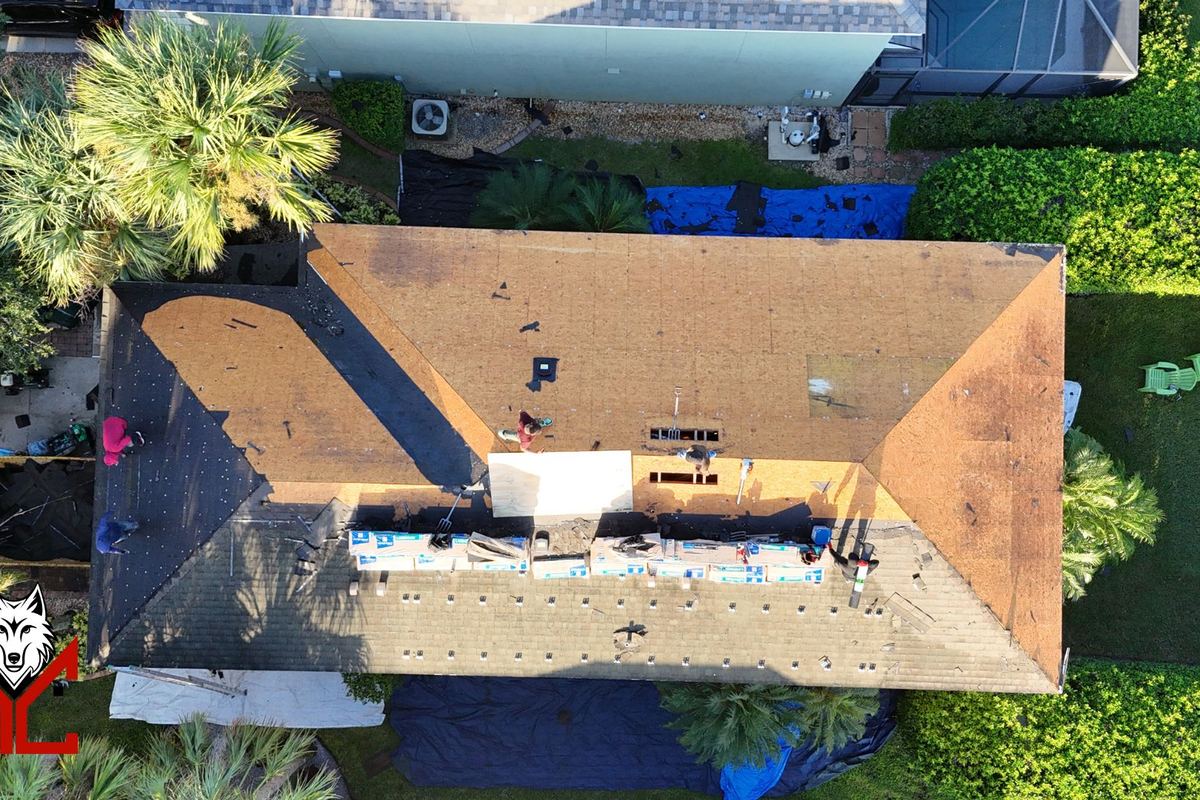
Aerial view of an Orlando roof mid tear off with decking exposed and underlayment partially installed
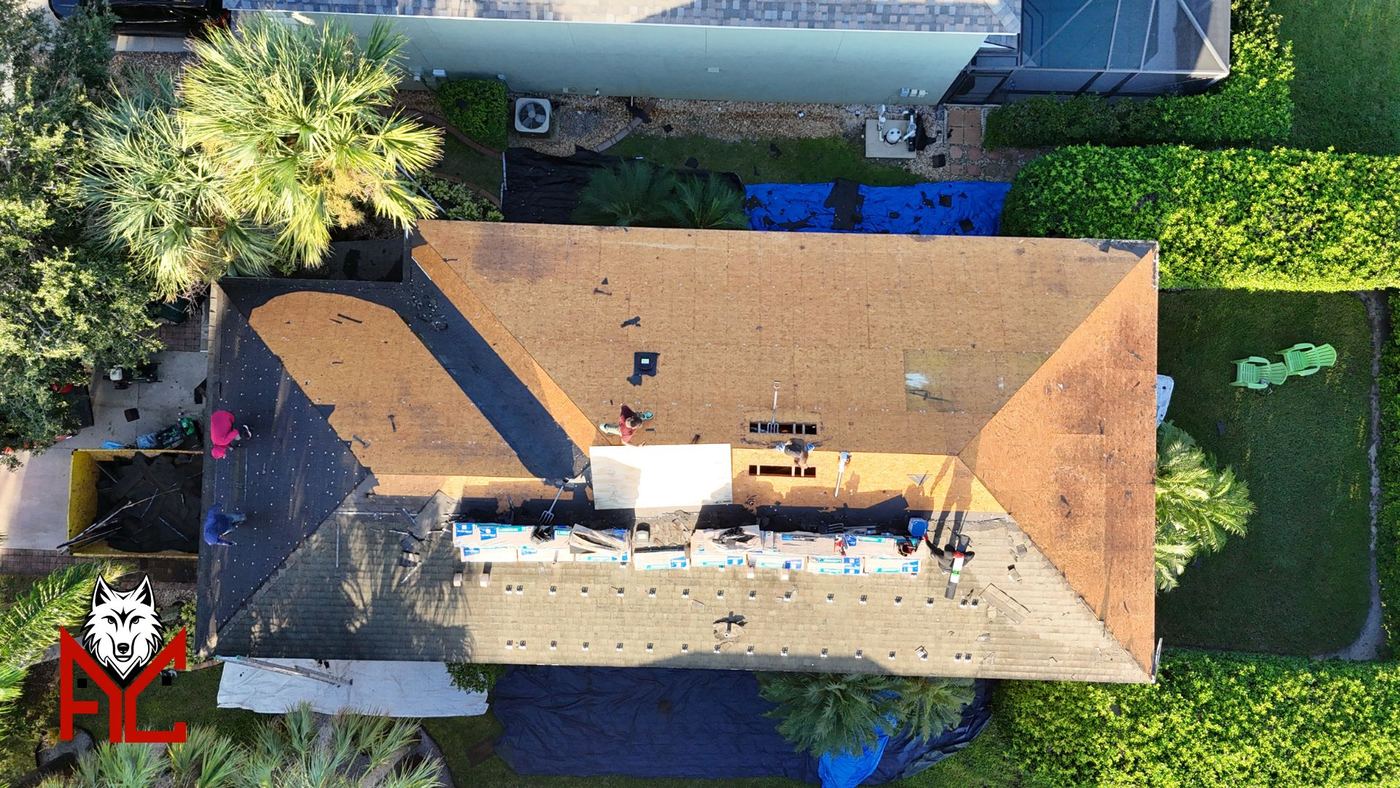
Exposed roof decking and underlayment on an Orlando home during an AlphaCore deck repair
The honesty moment

What happens when we find rotten decking.

This is where roof replacements go wrong with the wrong contractor, so here is exactly how it works with us.

No one can see through shingles. On most Florida tear offs the decking is fine, but on a roof that has leaked for years, some sheets will be soft or black around the old entry points. When that happens on your job, the crew stops on that section. Someone photographs the bad wood, we show you the photos, and you see the cost of replacing those sheets before we replace them. The per sheet price for decking was already printed in your contract on day one, so there is no new number invented on your driveway while half your roof is open.

What we will never do is quote a low price knowing the decking allowance is where the margin gets made back, and we will never cover bad wood to keep a schedule. Rotten decking is a fastener problem: nails and screws do not hold in mush, and in a hurricane the decking is what your whole roof is holding onto.

Under the shingles

The layers you never see are the ones Florida weather tests.

Shingle brands get all the attention. In a named storm, the underlayment and the fastening pattern matter more.

Sealed underlayment

Over the decking goes a sealed underlayment that acts as a secondary water barrier. If a storm ever strips shingles, this layer is what keeps rain out of your bedroom until the roof is repaired. Florida code requires it for a reason.
Wind uplift fastening

Nail count, nail type, and nail placement are set by the Florida Building Code wind requirements for your address, not by how fast a gun can fire. The decking itself gets renailed to current code during the replacement.

Permitted and inspected

Every replacement runs on a permit, and the county inspects the work. Your paperwork also feeds the wind mitigation report many Florida homeowners use with their insurer.

The process

What actually happens, in order.

Most single story shingle homes are done in one to two days once material is on site. Here is the sequence.

Inspection and written price

We measure and photograph the roof, then hand you an itemized scope: system, underlayment, flashing, vents, and the per sheet price for any decking. That document is the price. It does not move unless the scope moves, and you approve any change first.

Permit and materials

We pull the permit, order the system, and schedule the crew. You get the dates before anything happens, and we tell you where the dumpster and delivery will sit.

Tear off and deck check

The old roof comes off down to bare wood. Every sheet of decking gets walked and checked. Anything soft or rotten is photographed, shown to you, and replaced at the contract's per sheet price.

Dry in and install

Sealed underlayment goes down the same day the roof is opened, so the house is watertight overnight. Then flashing, drip edge, vents, and the new roof covering, fastened to the wind requirements for your area.

Cleanup, final walk, inspection

Magnet sweep for nails, debris hauled off, and a walk around the property with you before we call it finished. The county inspector signs off on the permit, and you keep the photos from every stage.

Timeline, honestly

One to two days for most homes. Here is what makes it longer.

A straightforward single story shingle roof is usually torn off and dried in on day one and finished on day one or two. Some things stretch that, and none of them should be a surprise on the day:

  • Tile roofs: tile is slower to load, cut, and set than shingle, and often runs several days
  • Steep pitches and two storey homes: slower, safer footwork and more staging
  • Widespread decking rot: each replaced section adds carpentry time before the dry in
  • Weather: we do not open more roof than we can dry in before Florida's afternoon rain

If your job will run long for any of these reasons, you hear it from us at the estimate, not from the crew on day two. And if you are still weighing whether the roof needs replacing at all, start with an inspection or read where a repair still makes sense.

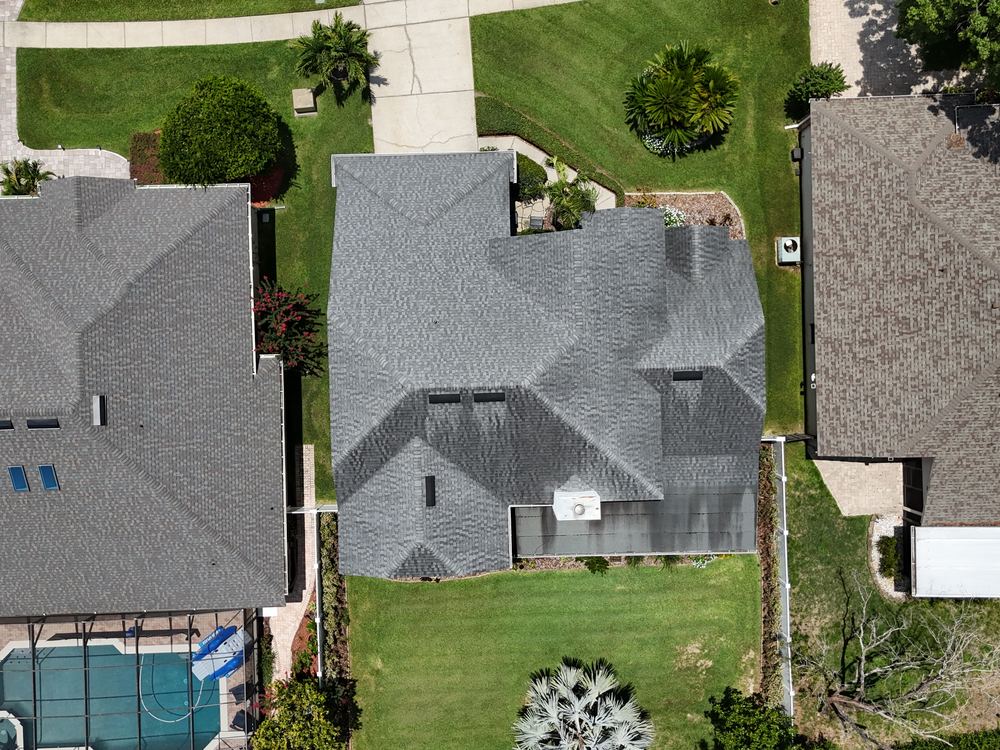
Overhead aerial of a completed grey architectural shingle roof installed by AlphaCore in Central Florida
Straight answers

Roof replacement questions we get every week.

What does "the price is in writing" actually mean?
It means you receive an itemized contract before work starts: the roof system, underlayment, flashing, vents, disposal, and a stated per sheet price for decking replacement. The only way the total changes is a scope change you have seen in photos and approved. A number quoted on a driveway is not a price, it is an opening offer. We do not work that way.
Do you know before tear off whether my decking is bad?
Partly. Attic access, soft spots underfoot, and stains around old leaks give strong clues, and we check all of them at the inspection. But nobody can certify wood they cannot see, and anyone who promises zero decking replacement before tear off is guessing with your money. What we fix in advance is the per sheet price, so the unknown is the count, never the rate.
Can I stay in the house during the replacement?
Yes, almost everyone does. It is loud, roughly like a hailstorm of hammering for a day, and anything delicate on walls or shelves should come down first. We cover landscaping and pool areas, keep the site picked up, and run a magnet sweep for nails daily. More on how we work around occupied homes is on the residential roofing page.
Will insurance pay for my replacement?
Sometimes, when the cause is storm damage rather than age, and only your insurer decides that. We document the damage thoroughly and can be on the roof when your adjuster inspects, but we are a roofing contractor, not a public adjuster, and we never promise a coverage outcome. Here is exactly what we do and do not do on claims.

Get the tear off priced in writing before anyone touches a shingle.

One inspection, one itemized contract, and a straight answer on whether you need a new roof at all. We work across Florida and Georgia from Orlando; see the service areas.

Call 1-888-404-9653 Email us

Monday to Friday, 8am to 5pm. Emergency roof repair outside those hours: call the same number.